Why Cedar Shake Roofing Still Outperforms in Pennsylvania Weather
Why Cedar Shake Roofing Still Outperforms in Pennsylvania Weather

Pennsylvania homeowners worry most about moisture when they consider cedar shake roofing. Rain, humidity, snow, and freeze-thaw cycles create real concerns about mold, rot, and warping.
Here's what the data actually shows.
Well-installed cedar shake roofs in Pennsylvania last 25 to 40 years with standard maintenance. Premium heartwood cedar with proactive care pushes that number to 50 years.
The Maintenance Factor That Doubles Lifespan
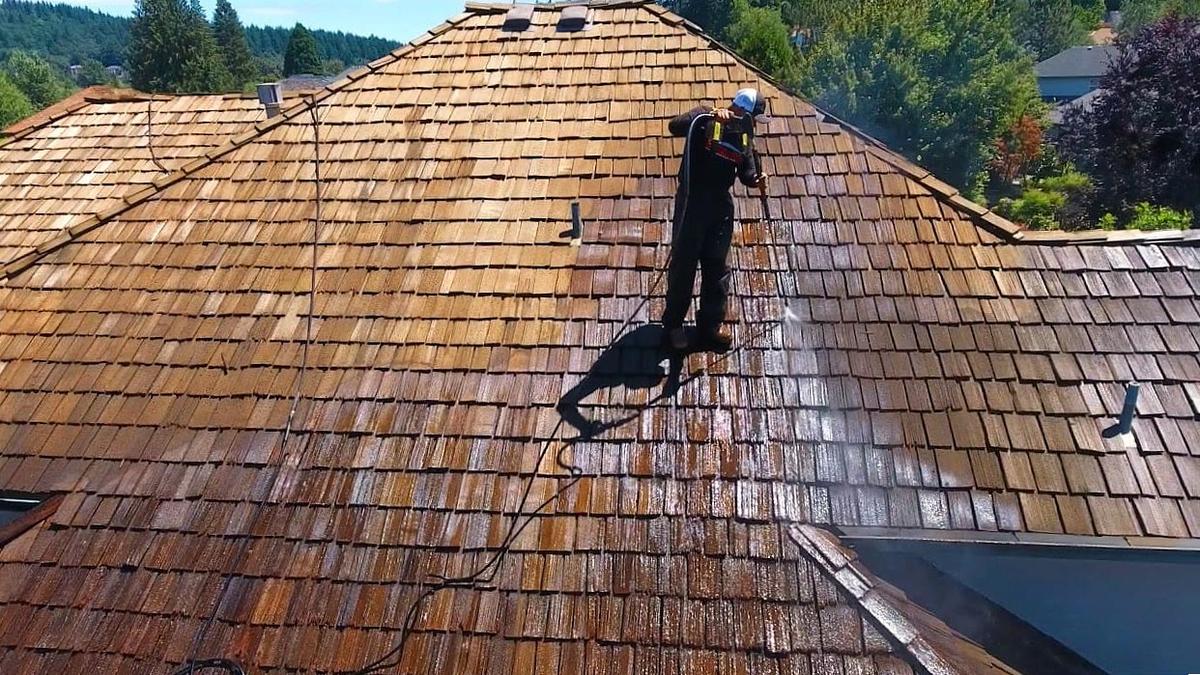
The difference between a 25-year roof and a 50-year roof comes down to one thing: consistent, proactive maintenance.
Premium-grade heartwood cedar starts with natural decay resistance. Proper venting and drainage slope create the foundation. But regular upkeep makes the real difference.
Annual inspections catch problems early. Clearing debris and overhanging branches prevents trapped moisture. Gentle moss and algae cleaning stops decay before it starts.
Breathable water-repellent treatments applied every few years protect without sealing.
These penetrating formulas use oil-based preservatives or water-borne solutions with waxes, resins, and UV inhibitors. They coat wood fibers without forming an impermeable film.
The result? Liquid water beads up and rolls off while water vapor escapes through tiny pores in the wood.
This vapor permeability matters in Pennsylvania's humid climate. High summer humidity, frequent rain, and freeze-thaw winters can trap condensation inside untreated wood. Breathable treatments let cedar dry naturally between wet spells, cutting decay risk dramatically.
What Neglect Actually Looks Like
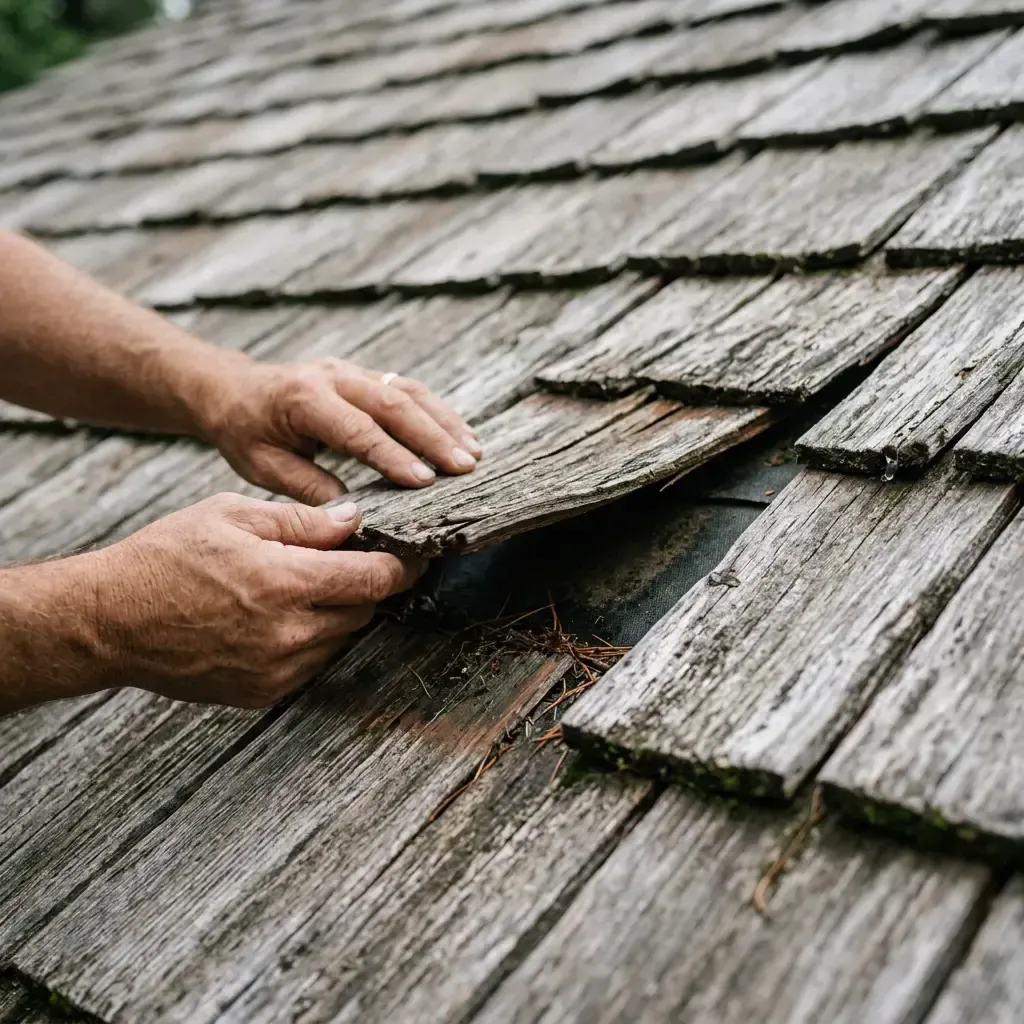
After five Pennsylvania winters, an untreated cedar shake roof shows visible damage.
The fresh reddish-brown color fades to dull silvery-gray. Patchy green or black streaks appear. Fuzzy moss growth clings to shaded north-facing areas. Dark, streaky algae and mildew spots spread across the surface.
Shakes start curling at the edges or cupping upward. Splitting and cracking develop from repeated freeze-thaw cycles. Bottoms and edges take on frayed, furry textures. Soft, rotted sections form where water pools.
The surface becomes uneven, discolored, and compromised.
When Surface Problems Become Structural Risks
Visible deterioration crosses from cosmetic to critical when it exposes the underlayment beneath the shakes.
Moss and algae trap moisture against wood, accelerating internal decay. Severe curling and cupping lift edges enough to let water sneak beneath overlaps during heavy rains or snowmelt.
This leads to leaks, damaged decking, and interior water intrusion.
The protective barrier weakens significantly once widespread curling exposes underlayment, deep cracks appear, or soft spots feel spongy.
The Real Cost of Waiting

Early intervention on cedar shake issues costs $1,000 to $3,000 for localized rot and leak repairs.
Delayed action balloons into $10,000 to $30,000+ when extensive mold spreads through attics, insulation, walls, and ceilings.
Mold remediation requires tearing out contaminated materials, treating for spores, replacing soaked insulation, and fixing sagging rafters or decking. Plywood sheets run $85 to $100 each plus labor. Interior drywall and flooring repairs add more costs.
What starts as a straightforward roof job becomes a full home restoration.
Think of preventive maintenance as affordable insurance that protects your biggest investment. A few hundred dollars every year or two for inspections, cleaning, and breathable treatments prevents moisture, moss, and rot.
Your roof quietly does its job for 30 to 50 years instead of forcing an early replacement or hidden structural fixes that cost five to ten times more.
Summer Performance That Cuts Energy Bills
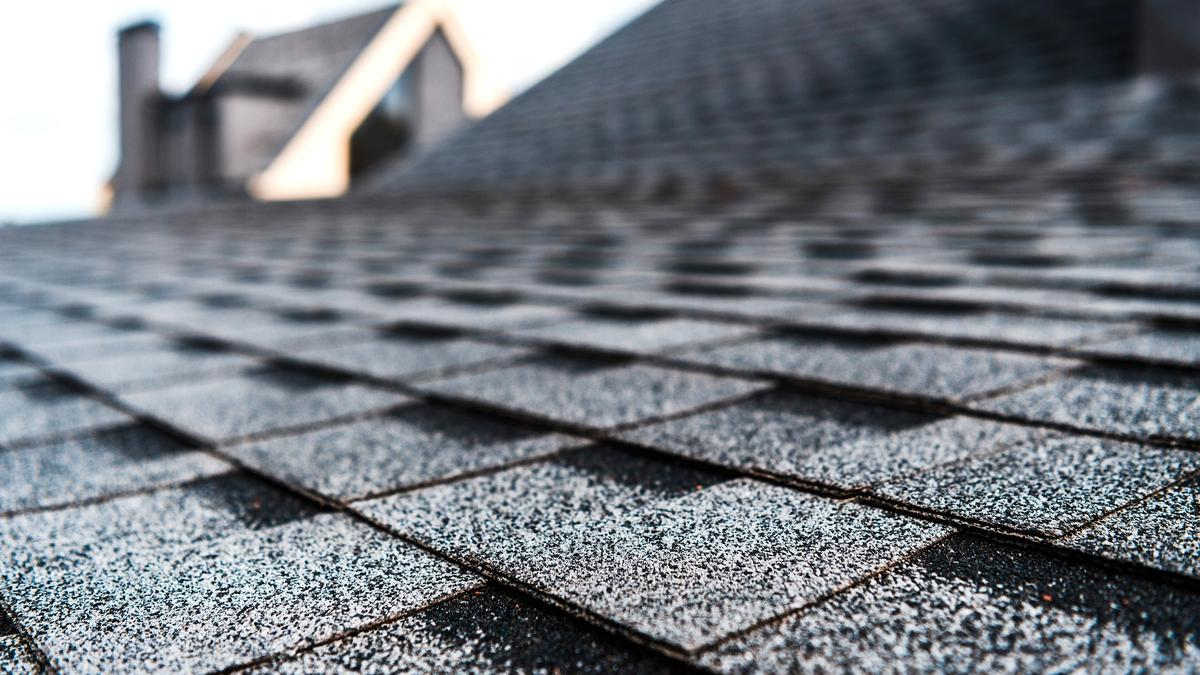
During humid 90-degree Pennsylvania summers, cedar shake's natural insulating qualities outperform asphalt and many synthetic shingles.
The wood's cellular structure traps tiny air pockets, creating a thermal barrier that slows heat transfer from the sun into your attic and living spaces.
Cedar insulates up to twice as well as standard asphalt, which absorbs and radiates more heat.
Homeowners who switch from asphalt to cedar see measurable results. Attic temperatures drop 10 to 20 degrees on sweltering days. Summer cooling bills decrease 15 to 25 percent within the first hot season.
The energy savings add up to $200 to $400 annually depending on home size and AC usage.
The Investment Payback Timeline
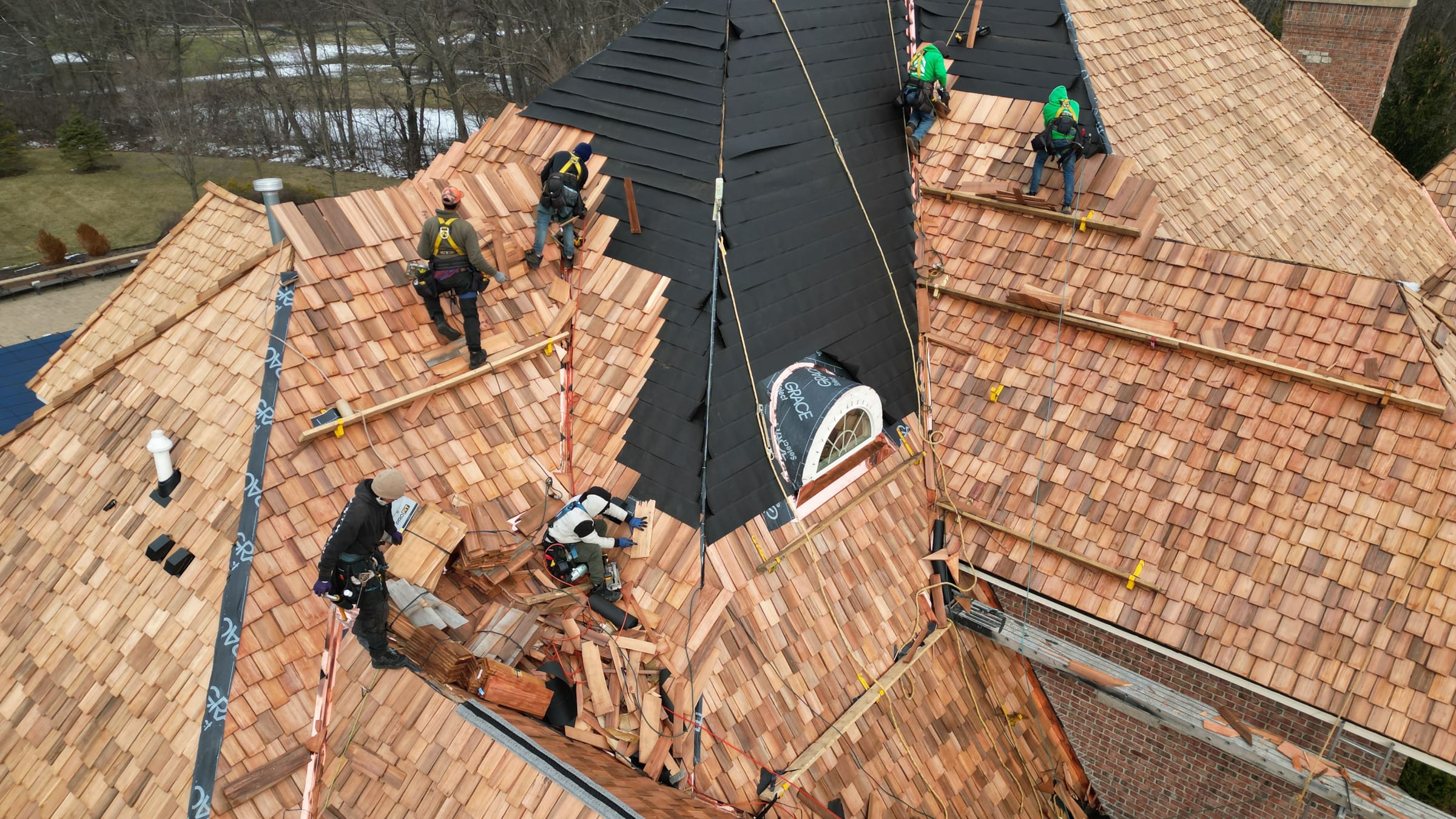
Cedar shake costs $5,000 to $10,000 more upfront than comparable asphalt roofing.
That premium typically pays for itself in 12 to 18 years through cooling savings alone. The 15 to 25 percent reduction in summer electric bills steadily chips away at the initial difference.
For families staying in Lancaster County long-term, the higher investment becomes a practical hedge against climbing energy costs.
The Unexpected Benefit
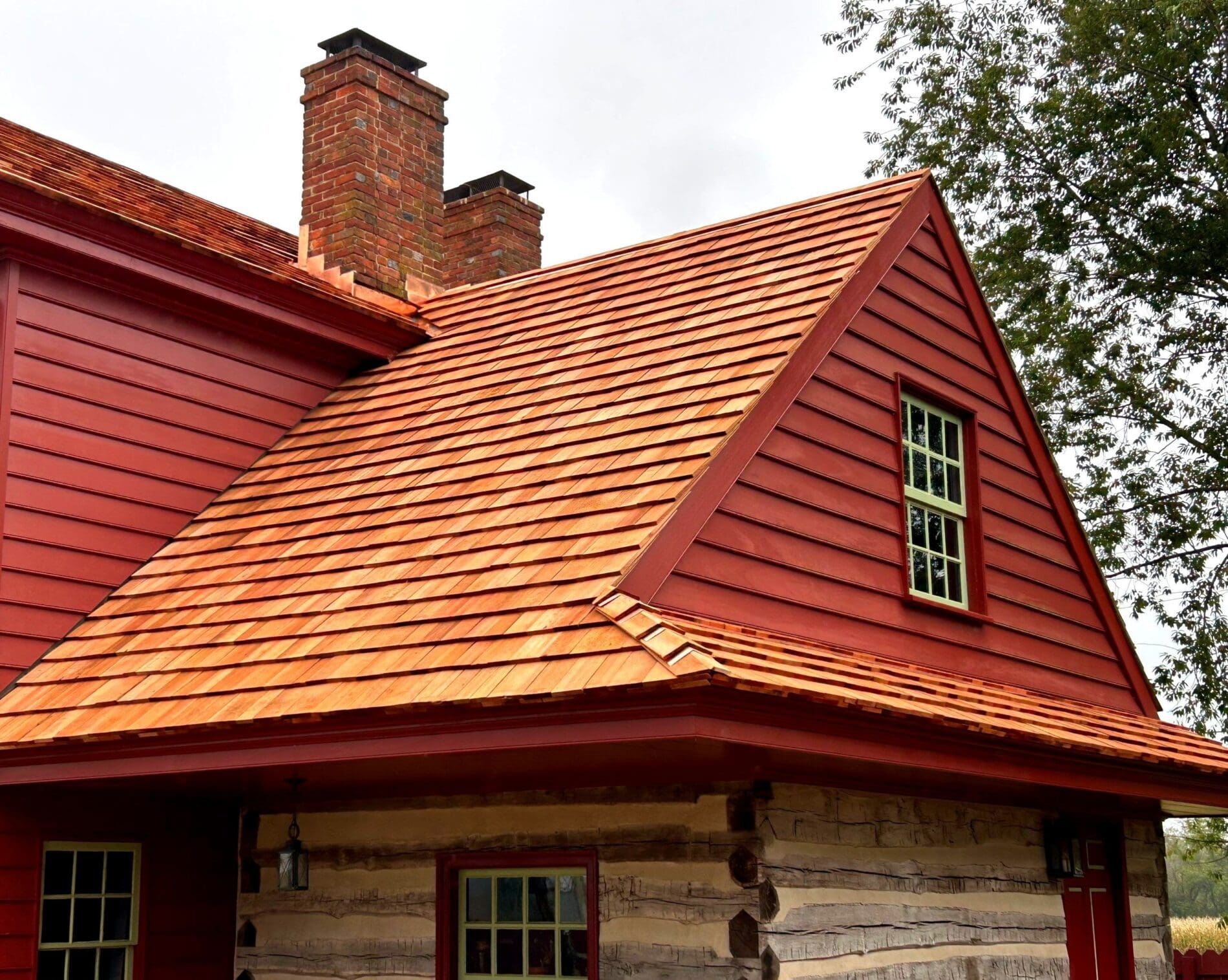
Homeowners report one surprise a few years after installation: the natural, subtle scent of cedar that lingers inside the house.
It's not overpowering. A faint, fresh woody aroma drifts down through the attic after rain or on warm days. Many describe it as reminiscent of a cozy cabin getaway.
This sensory detail transforms the roof from a purely functional element into something that enhances daily living.
Smart Protection for Pennsylvania Homes
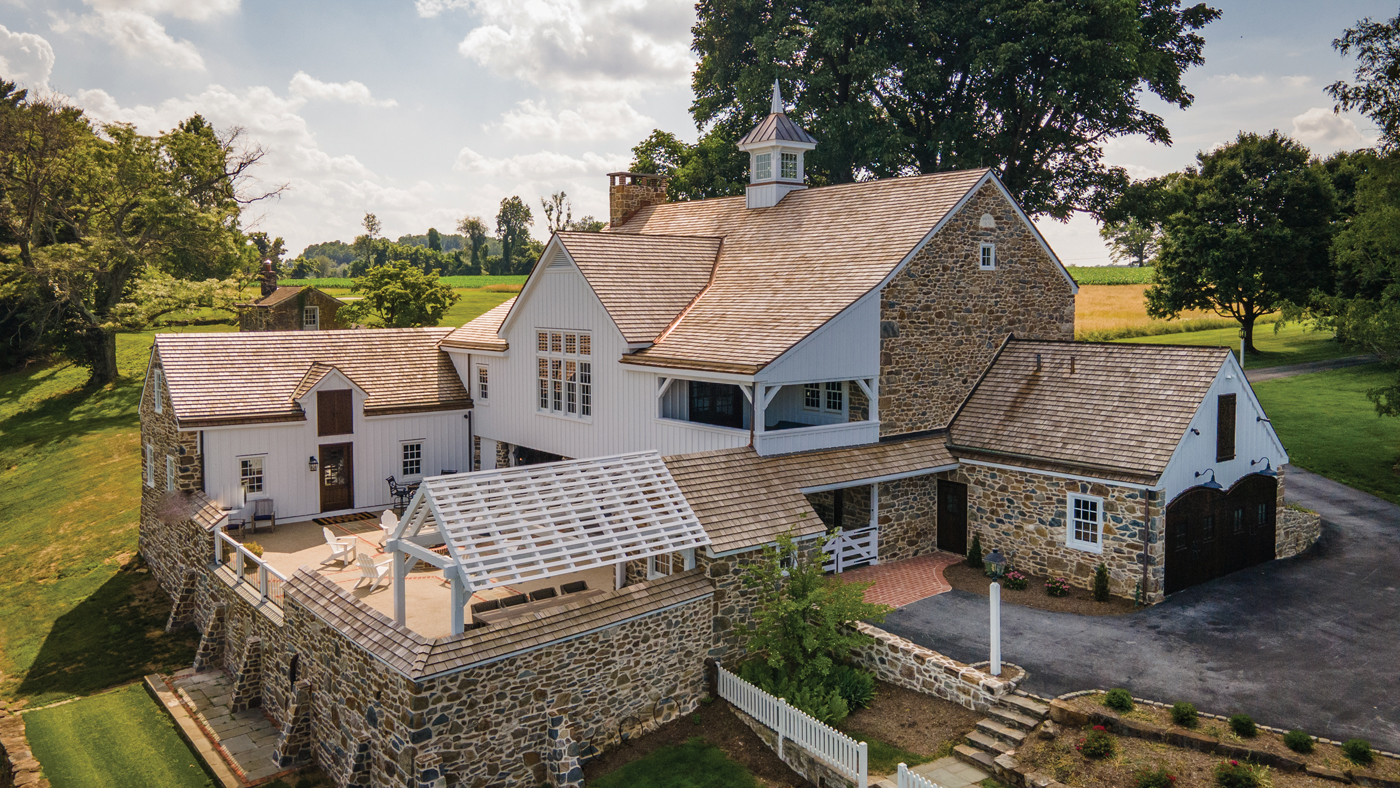
Cedar shake roofing combines measurable performance with proven resilience in Pennsylvania's variable climate.
The data supports what homeowners experience: proper installation, quality materials, and consistent maintenance deliver decades of reliable protection with genuine energy savings.
We help Lancaster County homeowners make informed decisions about roofing investments that protect their homes and deliver long-term value.
Your home deserves protection backed by expertise and proven performance.
