Why Smart Property Owners Invest in Prevention Over Repair

Why Smart Property Owners Invest in Prevention Over Repair
March 04, 20265 min read

Why Smart Property Owners Invest in Prevention Over Repair

Why Smart Property Owners Invest in Prevention Over Repair        Most property owners treat roof maintenance as something to handle when a problem appears. A few missing shingles? Wait until more fall off. A small leak? Deal with it when water shows up inside.  That reactive mindset costs you money.  When a small repair that costs a few hundred dollars gets delayed until moisture spreads beneath the surface, the total expense increases by three to five times once insulation replacement, additional materials, and labor are involved. If interior damage or cleanup becomes necessary, that multiplier can move closer to seven or even ten times the original repair cost.  The shift from minor maintenance to involved repair happens over the course of a single season.  The Lancaster County Vulnerability      In Lancaster County, one seasonal pattern consistently turns small roof issues into expensive problems: the late winter into early spring stretch where daytime temperatures rise above freezing and then drop again overnight.  During this period, melting snow or rain seeps into tiny gaps around shingles or flashing during the day. When temperatures fall at night, that trapped moisture freezes and expands, gradually widening those openings.  Each cycle allows more water to enter your roofing system.  Property owners miss the warning signs because the damage develops beneath the surface. It may only appear as subtle changes like minor granule loss or slight lifting that doesn't seem urgent. By the time warmer weather brings heavier rainfall, the compromised areas allow moisture to reach insulation or interior materials.  What began as a small issue becomes a larger repair.  What We Look For During Inspections      During that vulnerable late winter and early spring window, we look for indicators that aren't visible from the ground but signal that your roofing system is beginning to lose its ability to shed water properly.  Soft or spongy areas beneath shingles suggest that insulation or decking has already absorbed moisture. We check for slight separation around flashing at vents, chimneys, or roof transitions where expansion and contraction may have opened small gaps.  Early blistering or bubbling in shingle surfaces indicates trapped moisture being heated during warmer daytime temperatures. Darkened or uneven patches where granule loss has exposed the underlying material make it more vulnerable to further weathering.  These conditions may not produce immediate leaks, but they point to areas where water is beginning to penetrate and where failure could occur if seasonal stress continues.  The ROI of Prevention      If you invest in annual inspections, you're looking at a few hundred dollars per year depending on the size and complexity of your roof. That totals around one to two thousand dollars over five years or two to four thousand over ten.  During that same period, catching and addressing even one developing issue—compromised flashing, sealant failure, or drainage blockage—before moisture spreads can prevent repairs that may otherwise cost several thousand dollars once insulation or interior materials are involved.  Avoiding just a single moisture intrusion event can offset multiple years of inspection costs.  Over a decade, this preventive approach helps limit the likelihood of larger repair projects that would have required more extensive labor and material replacement. The predictable inspection expense becomes a small investment compared to the potential cost of reactive repairs.  Documentation Protects Your Investment      Having documented inspections that show issues were identified and corrected early makes a meaningful difference when you need to file an insurance claim or rely on a manufacturer warranty.  Insurance adjusters look for evidence that your roof was being maintained and that damage resulted from a sudden event rather than long-term neglect. Inspection reports, service invoices, and dated photographs help establish that the system was in good condition prior to the incident.  Manufacturer warranties can require proof that routine maintenance was performed according to their guidelines. Providing that documentation helps demonstrate compliance with those terms and can support eligibility for repair or replacement under warranty if a material defect or covered failure occurs.  When you sell your property, homes that come to market with documented inspection and maintenance histories give buyers more confidence. That transparency can reduce requests for repair credits during negotiations or help avoid price reductions tied to uncertainty about future maintenance.  How Property Owners Think About Assets      What separates property owners who embrace prevention from those who wait for emergencies isn't income level or property type. It's how they view the role of their building in their overall financial picture.  Owners who treat their property as a long-term asset focus on protecting its performance and value over time. Routine maintenance feels like part of responsible management rather than an optional expense. They think about operating costs, resale potential, or tenant satisfaction in addition to immediate repair needs.  Those who see maintenance primarily as a cost to be minimized defer action until a visible problem appears. This difference in perspective influences whether preventive measures are prioritized as a way to manage risk or postponed until damage becomes unavoidable.  Prevention as a Business Model      We recognize that long-term relationships built on trust and predictable outcomes create more sustainable business than one-time emergency projects. When you see that preventive care helps you avoid unexpected disruption and maintain consistent performance, you're more likely to remain engaged over time rather than calling only when a crisis occurs.  This approach allows work to be planned in advance, which improves scheduling and reduces the strain that emergency repairs place on both you and us. Positioning prevention as a priority reflects our focus on helping you manage risk rather than responding after damage has occurred.  That emphasis on reliability and proactive care supports stronger partnerships and steadier workflow.  We're here to help you protect your property investment through consistent, expert care. Regular inspections aren't an expense—they're a strategy for preserving value and avoiding the cascading costs that follow once water gets inside your building.  Contact us to schedule your inspection and start protecting your property with documented, professional care.



Most property owners treat roof maintenance as something to handle when a problem appears. A few missing shingles? Wait until more fall off. A small leak? Deal with it when water shows up inside.

That reactive mindset costs you money.

When a small repair that costs a few hundred dollars gets delayed until moisture spreads beneath the surface, the total expense increases by three to five times once insulation replacement, additional materials, and labor are involved. If interior damage or cleanup becomes necessary, that multiplier can move closer to seven or even ten times the original repair cost.

The shift from minor maintenance to involved repair happens over the course of a single season.

The Lancaster County Vulnerability

Ice dam and freeze-thaw damage on Lancaster County roof

In Lancaster County, one seasonal pattern consistently turns small roof issues into expensive problems: the late winter into early spring stretch where daytime temperatures rise above freezing and then drop again overnight.

During this period, melting snow or rain seeps into tiny gaps around shingles or flashing during the day. When temperatures fall at night, that trapped moisture freezes and expands, gradually widening those openings.

Each cycle allows more water to enter your roofing system.

Property owners miss the warning signs because the damage develops beneath the surface. It may only appear as subtle changes like minor granule loss or slight lifting that doesn't seem urgent. By the time warmer weather brings heavier rainfall, the compromised areas allow moisture to reach insulation or interior materials.

What began as a small issue becomes a larger repair.

What We Look For During Inspections

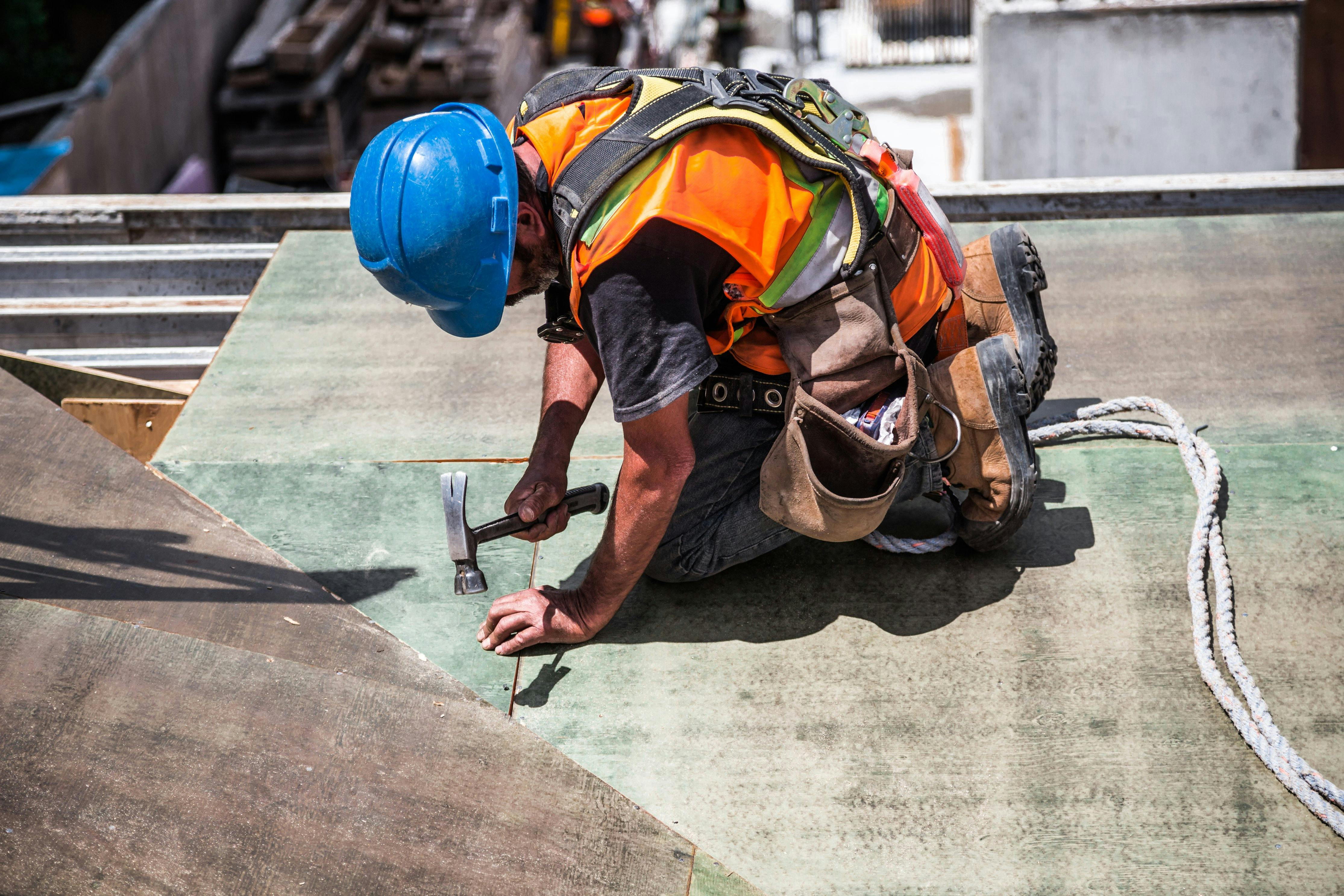
Professional roofing inspector examining roof during inspection

During that vulnerable late winter and early spring window, we look for indicators that aren't visible from the ground but signal that your roofing system is beginning to lose its ability to shed water properly.

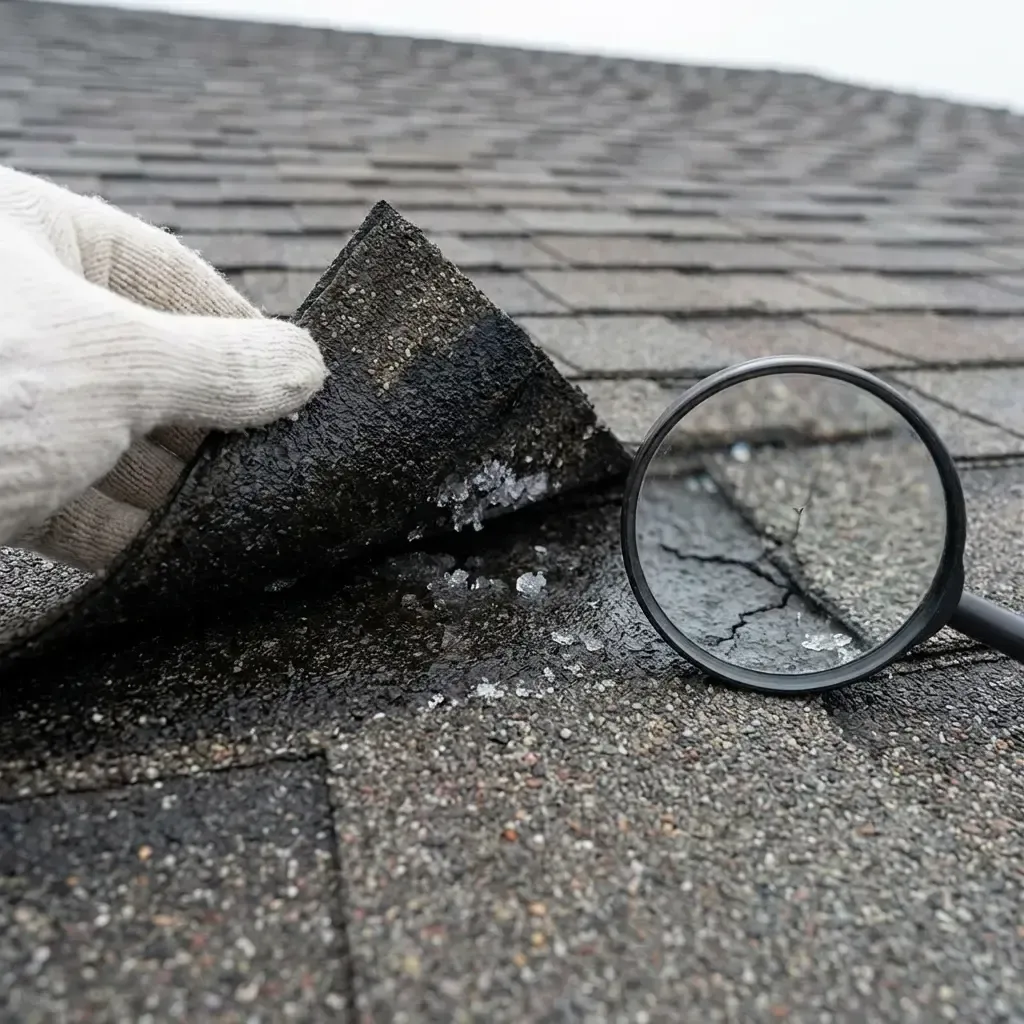
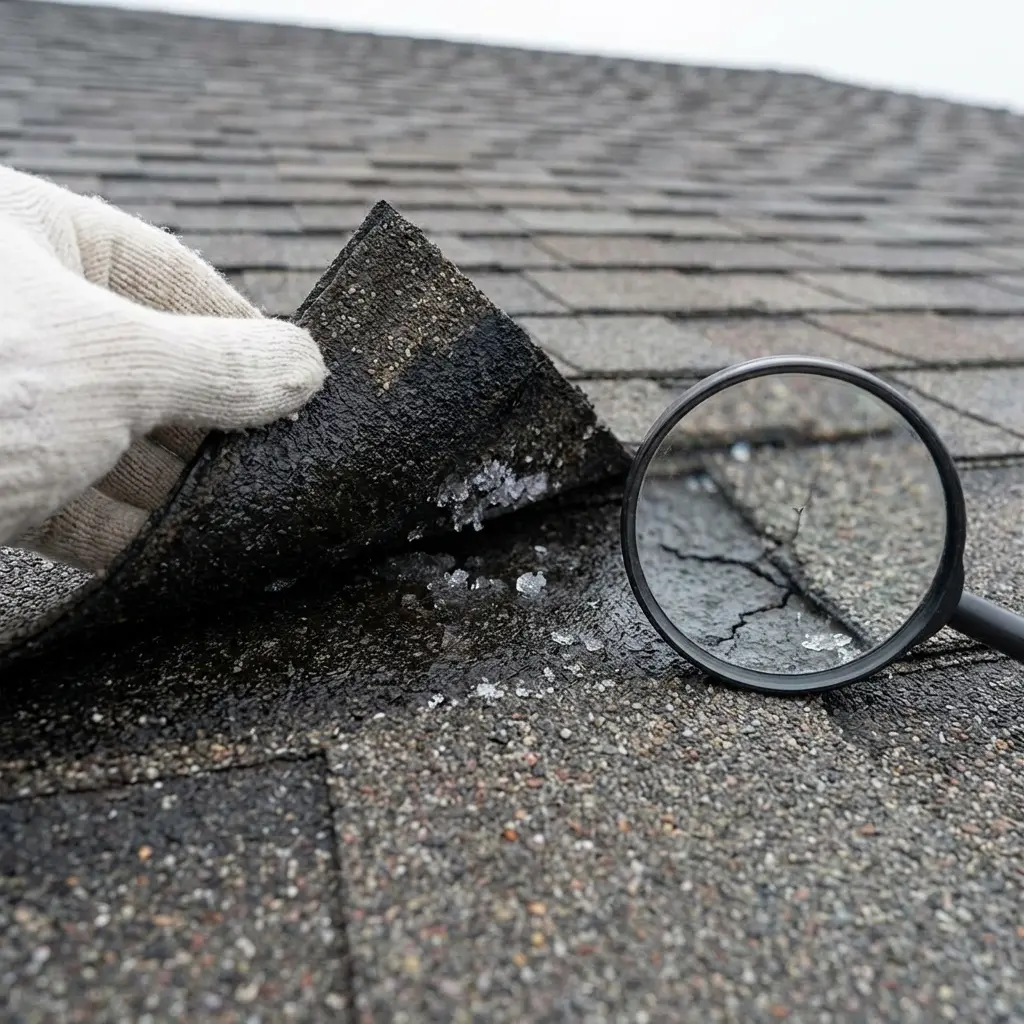
Soft or spongy areas beneath shingles suggest that insulation or decking has already absorbed moisture. We check for slight separation around flashing at vents, chimneys, or roof transitions where expansion and contraction may have opened small gaps.

Early blistering or bubbling in shingle surfaces indicates trapped moisture being heated during warmer daytime temperatures. Darkened or uneven patches where granule loss has exposed the underlying material make it more vulnerable to further weathering.

These conditions may not produce immediate leaks, but they point to areas where water is beginning to penetrate and where failure could occur if seasonal stress continues.

The ROI of Prevention

ROI calculation and cost savings from preventive roof maintenance

If you invest in annual inspections, you're looking at a few hundred dollars per year depending on the size and complexity of your roof. That totals around one to two thousand dollars over five years or two to four thousand over ten.

During that same period, catching and addressing even one developing issue—compromised flashing, sealant failure, or drainage blockage—before moisture spreads can prevent repairs that may otherwise cost several thousand dollars once insulation or interior materials are involved.

Avoiding just a single moisture intrusion event can offset multiple years of inspection costs.

Over a decade, this preventive approach helps limit the likelihood of larger repair projects that would have required more extensive labor and material replacement. The predictable inspection expense becomes a small investment compared to the potential cost of reactive repairs.

Documentation Protects Your Investment

Roof inspection documentation and maintenance records

Having documented inspections that show issues were identified and corrected early makes a meaningful difference when you need to file an insurance claim or rely on a manufacturer warranty.

Insurance adjusters look for evidence that your roof was being maintained and that damage resulted from a sudden event rather than long-term neglect. Inspection reports, service invoices, and dated photographs help establish that the system was in good condition prior to the incident.

Manufacturer warranties can require proof that routine maintenance was performed according to their guidelines. Providing that documentation helps demonstrate compliance with those terms and can support eligibility for repair or replacement under warranty if a material defect or covered failure occurs.

When you sell your property, homes that come to market with documented inspection and maintenance histories give buyers more confidence. That transparency can reduce requests for repair credits during negotiations or help avoid price reductions tied to uncertainty about future maintenance.

How Property Owners Think About Assets

Property owner viewing building as long-term asset investment

What separates property owners who embrace prevention from those who wait for emergencies isn't income level or property type. It's how they view the role of their building in their overall financial picture.

Owners who treat their property as a long-term asset focus on protecting its performance and value over time. Routine maintenance feels like part of responsible management rather than an optional expense. They think about operating costs, resale potential, or tenant satisfaction in addition to immediate repair needs.

Those who see maintenance primarily as a cost to be minimized defer action until a visible problem appears. This difference in perspective influences whether preventive measures are prioritized as a way to manage risk or postponed until damage becomes unavoidable.

Prevention as a Business Model

Partnership between roofing professionals and property owners

We recognize that long-term relationships built on trust and predictable outcomes create more sustainable business than one-time emergency projects. When you see that preventive care helps you avoid unexpected disruption and maintain consistent performance, you're more likely to remain engaged over time rather than calling only when a crisis occurs.

This approach allows work to be planned in advance, which improves scheduling and reduces the strain that emergency repairs place on both you and us. Positioning prevention as a priority reflects our focus on helping you manage risk rather than responding after damage has occurred.

That emphasis on reliability and proactive care supports stronger partnerships and steadier workflow.

We're here to help you protect your property investment through consistent, expert care. Regular inspections aren't an expense—they're a strategy for preserving value and avoiding the cascading costs that follow once water gets inside your building.

Contact us to schedule your inspection and start protecting your property with documented, professional care.

Back to Blog